Device Layer · Layer 2 of 5
An OS designed for one task
AOSP-based, headless, optimized for mirror displays. No bloat. No updates you didn't ask for. No data harvesting.
<10s
Cold boot time
99.9%
Uptime SLA
0
Manual restarts/year
OTA
Silent updates
Architecture
Built on three pillars
Security
- •AOSP hardened, no proprietary services
- •Device-level encryption, secure boot
- •Minimal attack surface, headless
- •No user-facing Google Play Store
Reliability
- •Watchdog processes, auto-recovery
- •A/B partition scheme for OTA safety
- •Health checks every 5 minutes
- •Graceful fallback to cached content
Manageability
- •Remote device control via Workspace API
- •Real-time telemetry (health, logs, crashes)
- •Silent OTA updates, zero downtime
- •Bulk device management at scale
Why we didn't use Google's AOSP
No external dependencies, 100% control
Google's full Android stack includes Play Services, telemetry, and auto-updating libraries that can't be fully controlled. For a mission-critical display OS running 24/7, this is unacceptable.
We built on AOSP bare bones. We own the release cycle, the security patches, the update strategy. Every line of code is accountable.
0
Third-party service dependencies
100%
Source code ownership
AOSP
Hardened, headless foundation
99.9%
SLA-backed availability
Workspace Integration
OS talks to Workspace in real time
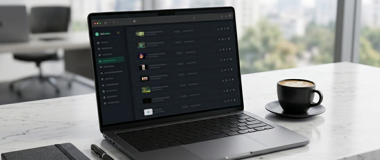
Device boots → OS establishes secure connection to Workspace → Receives content schedule → Reports playback metrics & health → Receives new content on command.
This bidirectional flow is the backbone of the platform. OS is the edge compute layer; Workspace is the command center.
Data flow
OS records health & metrics→Workspace receives & stores→Dashboard shows operator